
 South Carolina Waters Expedition #3 took us to the shores of Lake Moultrie, particularly the Hatchery Waterfowl Management Area. The weather was on the cool side and the skies were mostly cloudy on this late February day, so wildlife activity for the most part was at a minimal.
Upon arrival at the parking area, the expedition team scouted the area for the best location to set up and deploy the OpenROV Trident. A short hike brought us to the shores of Lake Moultrie where we discovered an intrusive plant growing on the beach and thousands of small clam shells along with evidence of the sad side of human activity and disrespect for the environment, trash was strewn all over the sand and adjacent vegetation.
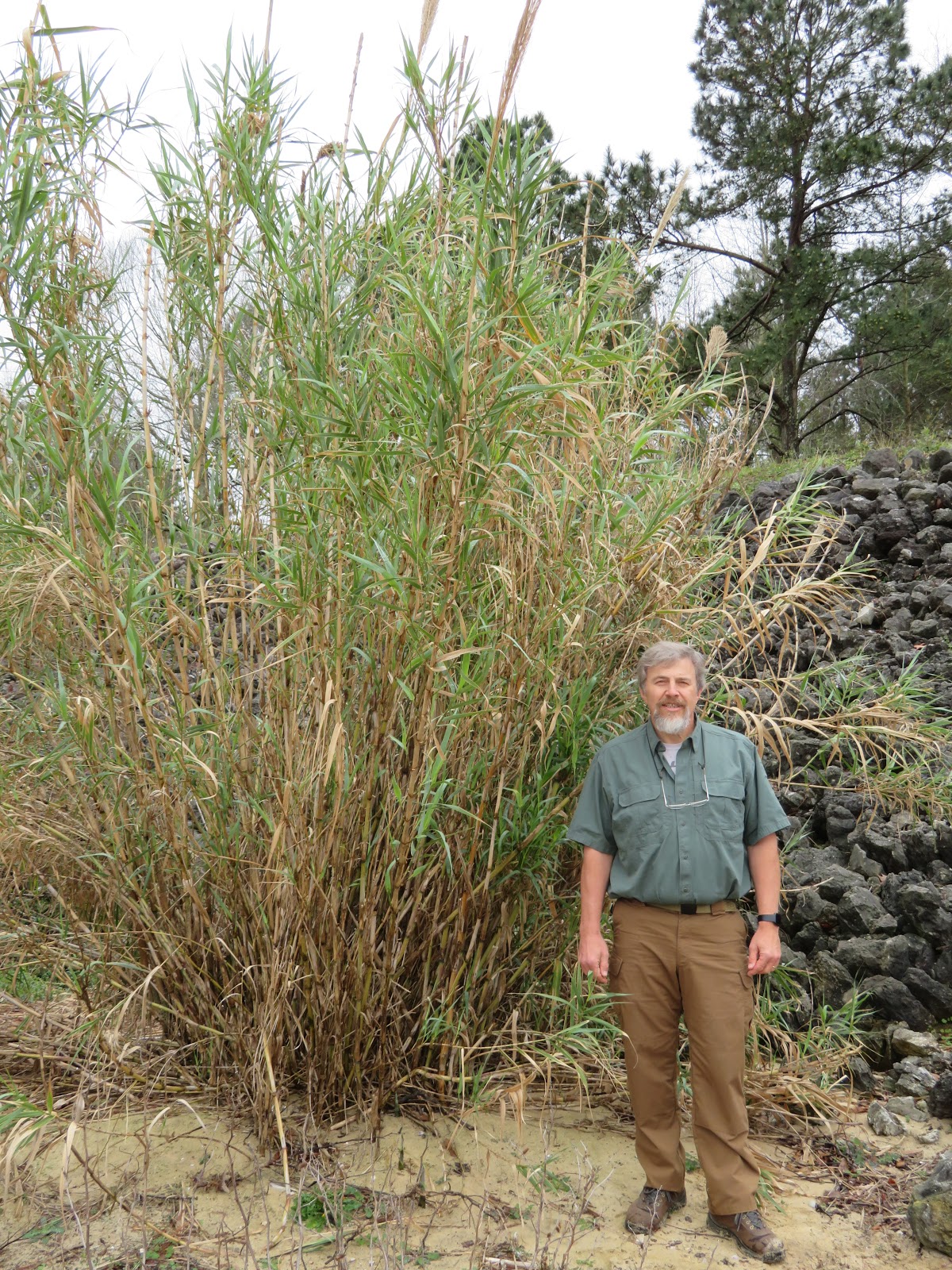 Intentionally or unintentionally, humans can impact their natural environment in several different ways, but for every action there is a reaction, and the consequences can either turn out for the good or for the bad. The formation of Lake Moultrie in South Carolina is an example of one way. In this case, the goal was to produce electricity for a growing population, which you would consider to be a good thing. Another way is through the introduction of foreign species, whether intentionally or unintentionally, into an ecosystem that offers no checks or balances for the intruder.
We encountered species not native to South Carolina that have found its way into the lake's ecosystem. Two of them producing adverse effects and one with a fascinating appetite, and the most likely culprit, human activity. One is a very intrusive plant, the second has had a destructive effect on the native clam populations, and the third is a mystery as to how it got here. The following video will discuss this in more detail.
While part of the team did some trash pickup, Rick Olson deployed his kayak to scout out a water impoundment adjacent to the beach where the waters appeared clearer than the other areas of the hatchery. As he kayaked the impoundment, he found a dead yellow-bellied turtle and tried to determine what caused its demise. There was no damage to the shell, but the turtle was missing an eye. A microscope was used and pictures were taken, but no conclusive reason could be found. Possibly, someone fishing may have hooked it.


We launched the OpenROV from two different spots and underwater video was taken. The bottom of the water impoundment was thick with seaweed and the props on the ROV had to be cleared several times. This is where Rick and his kayak played the integral role of retrieving and clearing the ROV of the intrusive seaweed, thus saving Dave Eslinger from having to get wet again.
Some of the seaweed was collected and pictures were taken with the microscope. Interestingly, small insects were found clinging to the foliage. Some samples were saved to be studied later. We look forward to viewing the underwater video in detail after it is uploaded for examination to see what was captured on our expedition to Lake Moultrie's Hatchery Waterfowl Management Area.
Following are some additional information about Lake Moultrie's freshwater clams:
Freshwater mussels serve as indicators of a healthy ecosystem. Mussels filter large volumes of water, removing food items such as algae, bacteria, diatoms and fine particulate organic material. It is a clear sign that something is wrong when mussels begin to disappear from a water body.
An invading species, such the Asian clam, competes with the native species for food and habitat resources. The Asian clam has been blamed for the decline and local extinctions of several native freshwater mussel species in the waters it has invaded, including South Carolina.
 |
| Native freshwater clam to South Carolina |


